The Senior Living Guide Every Homeowner Over 60 Should Read Before Their Next Move
Myths, common mistakes, and practical next steps to help you make informed housing decisions—for yourself or someone you love.
When a family inherited this Pasadena condominium through probate, they faced a common question:
Should they spend tens of thousands of dollars renovating the property before selling, or bring it to market as-is?
Instead of taking on the cost, risk, and delay of a major renovation, I developed a strategy that combined market analysis, digital renovation renderings, and targeted marketing.
Results
✓ Sold for $850,000
✓ $65,000 Above Asking
✓ 5 Days on Market
✓ Court Confirmation Approved
✓ No Renovation Required
The Situation
The family inherited a condominium in Pasadena through probate and needed to determine the best path forward.
The property offered several highly desirable characteristics:
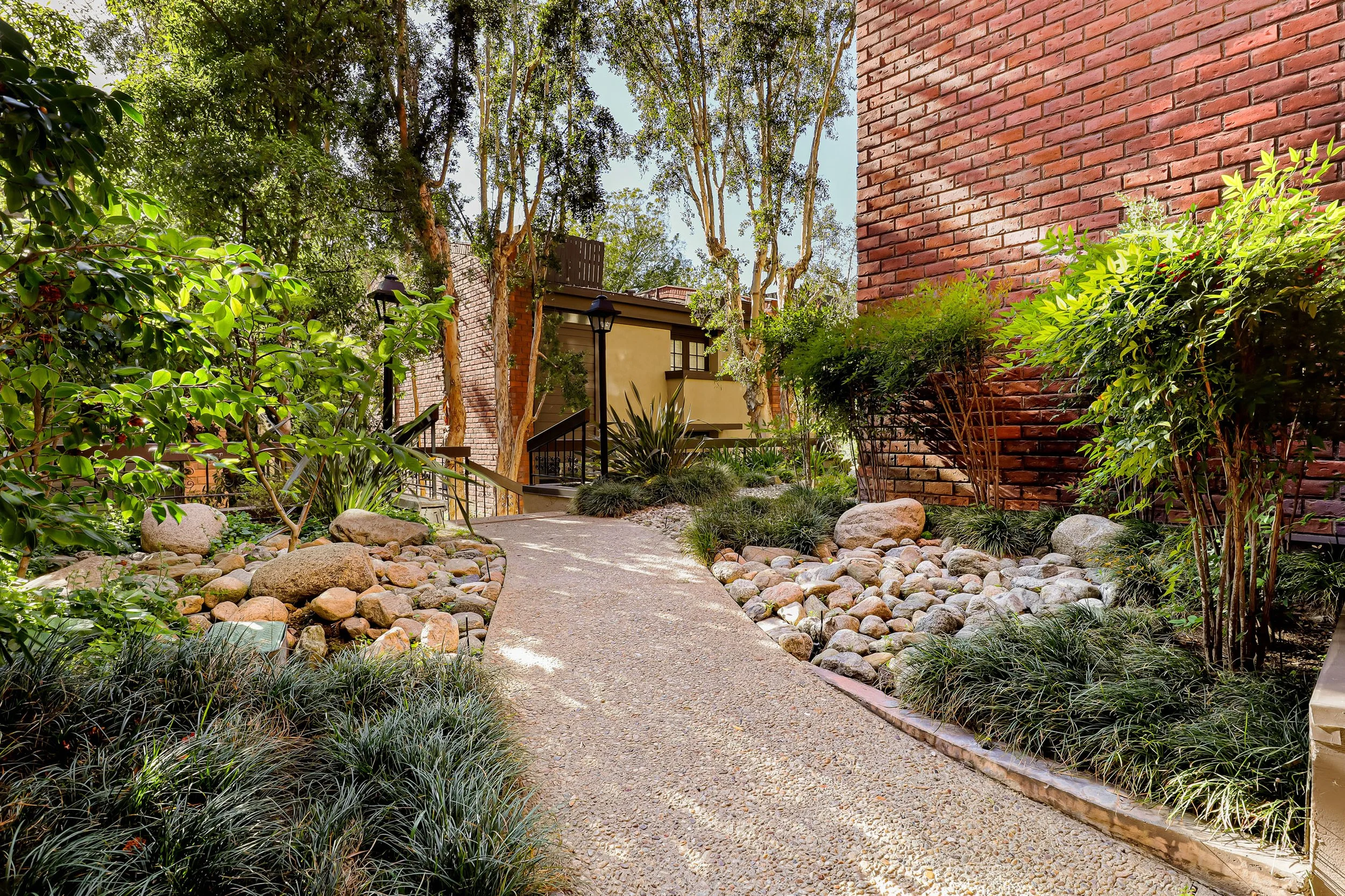
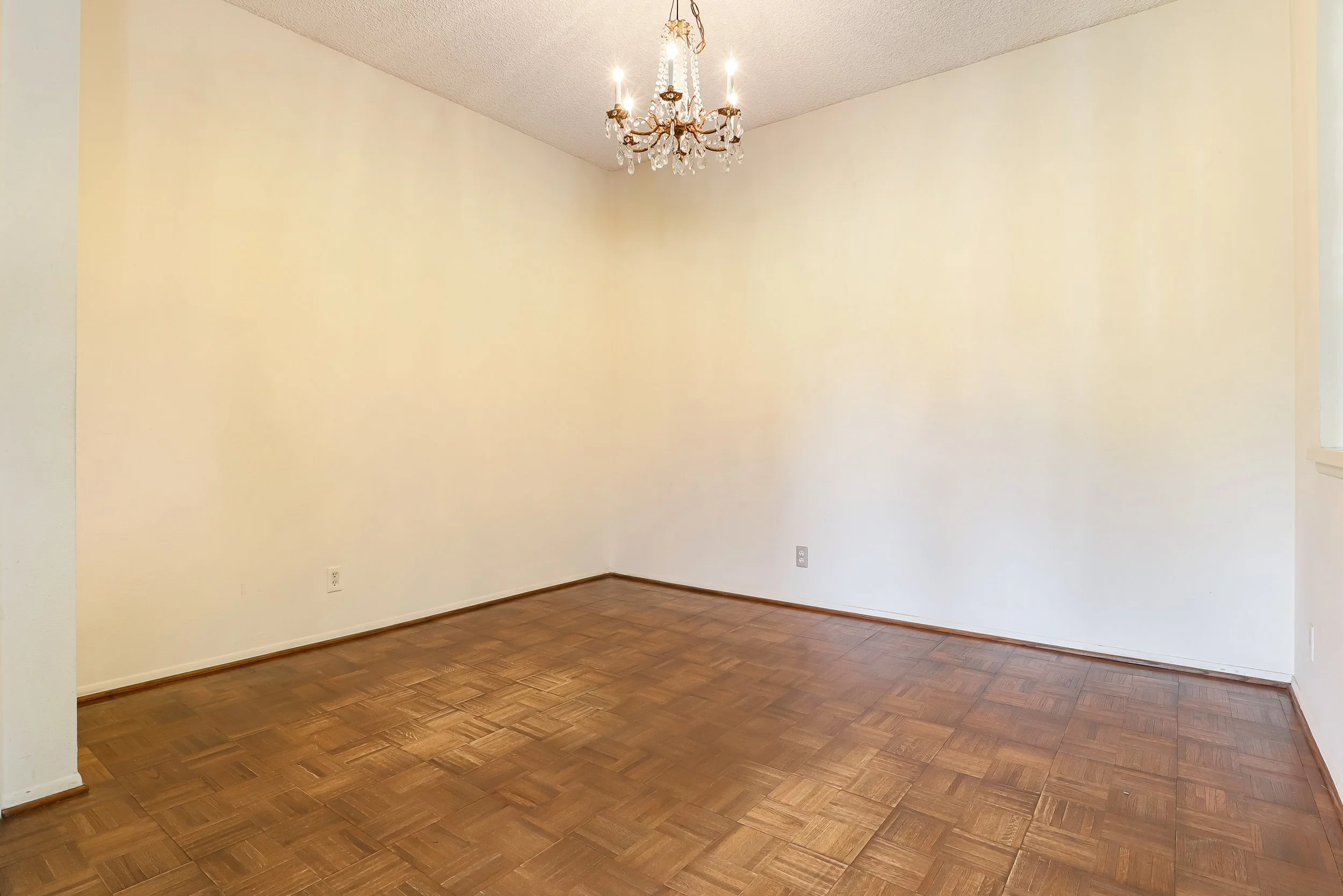
Prime South Lake Pasadena location
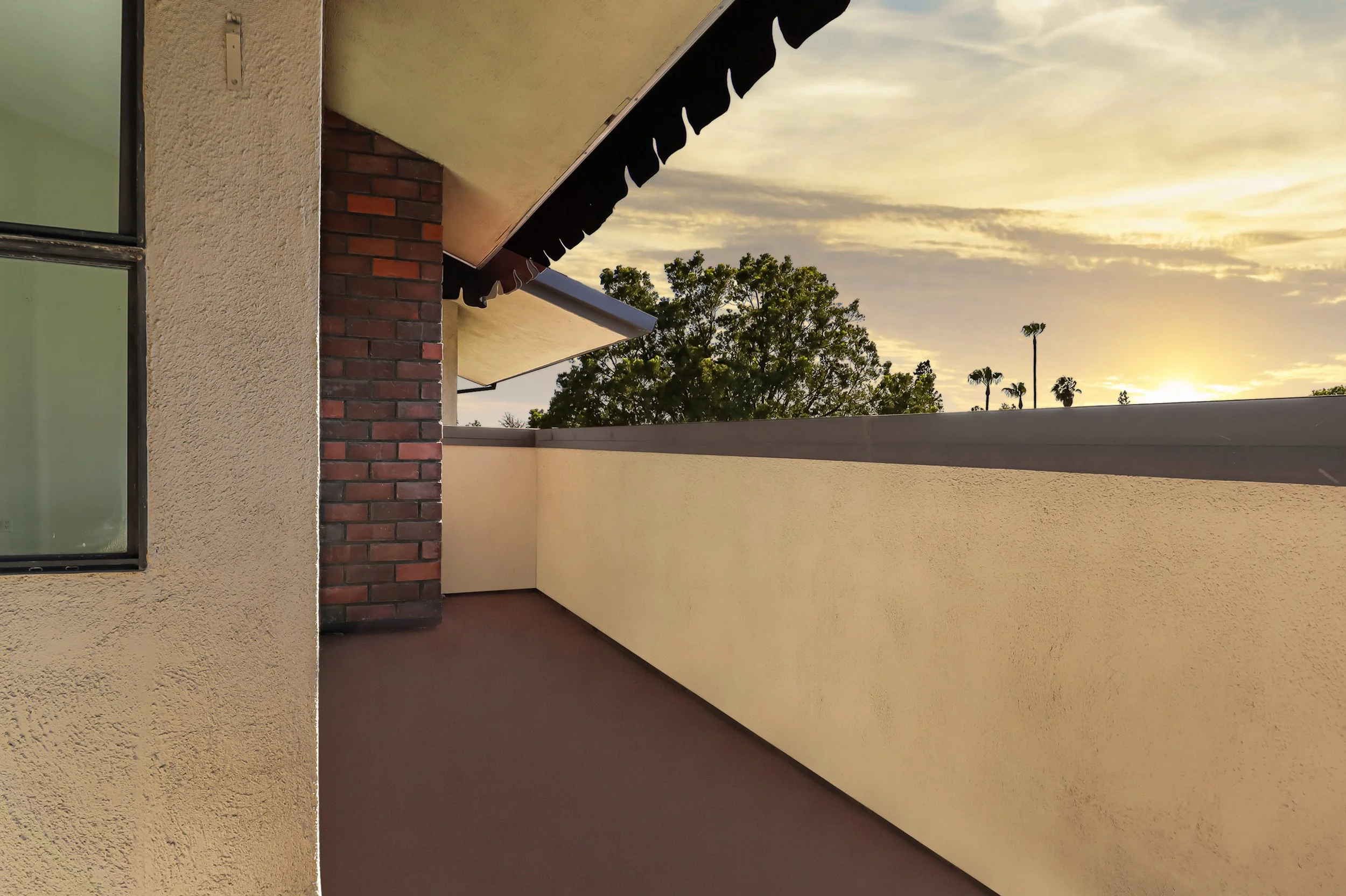
Top-floor corner-unit positioning
Approximately 1,454 square feet
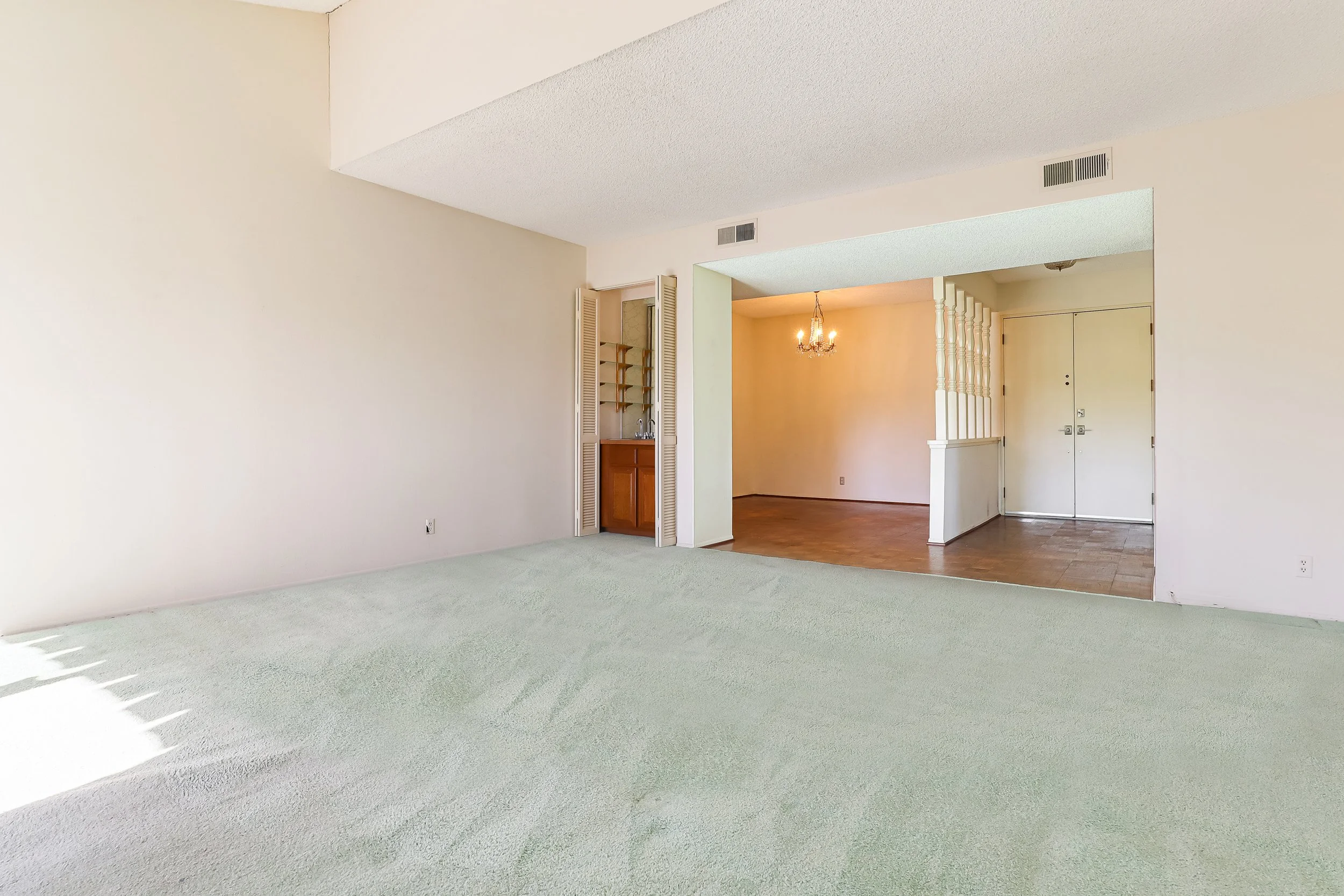
Vaulted ceilings
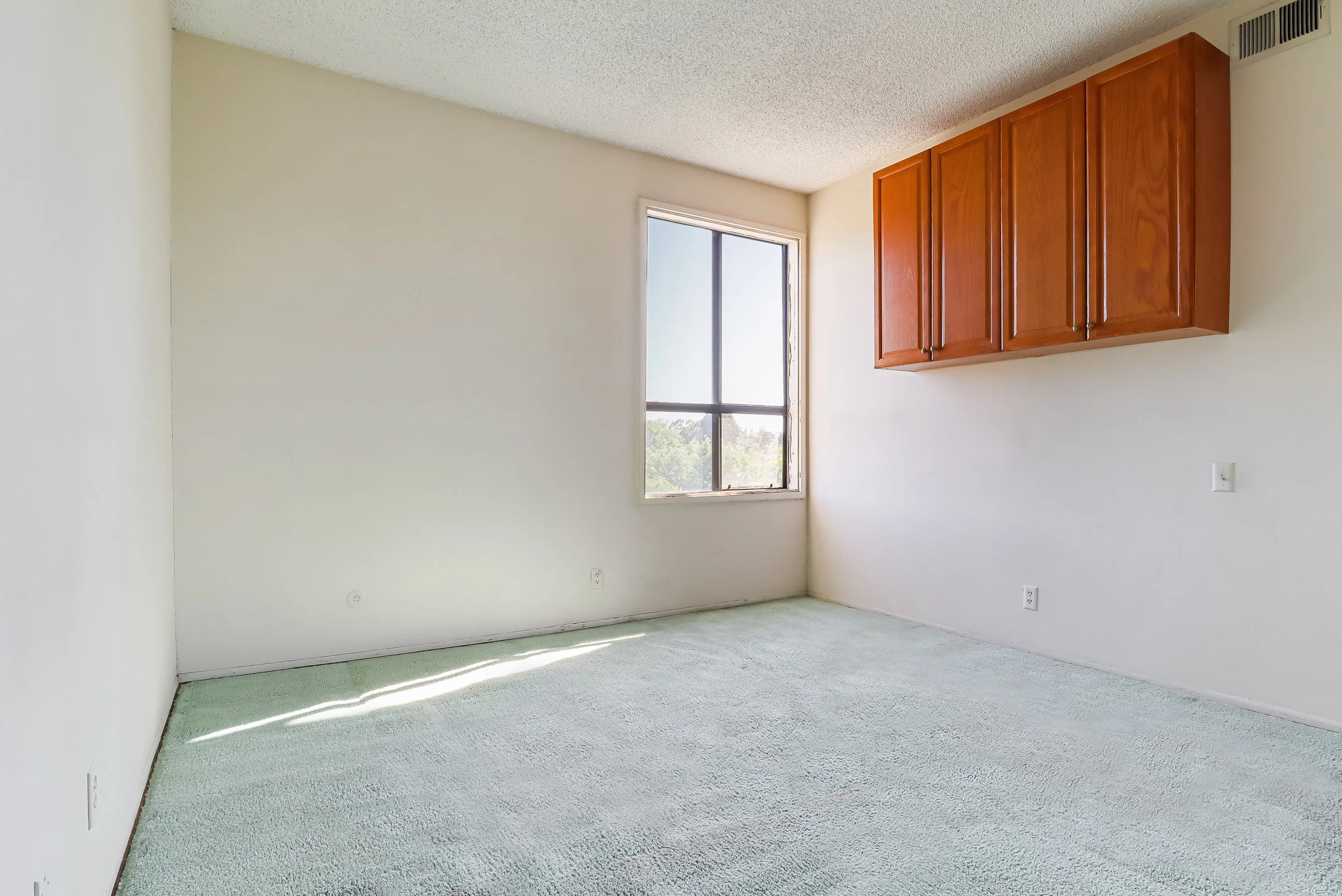
Abundant natural light
Large private balcony
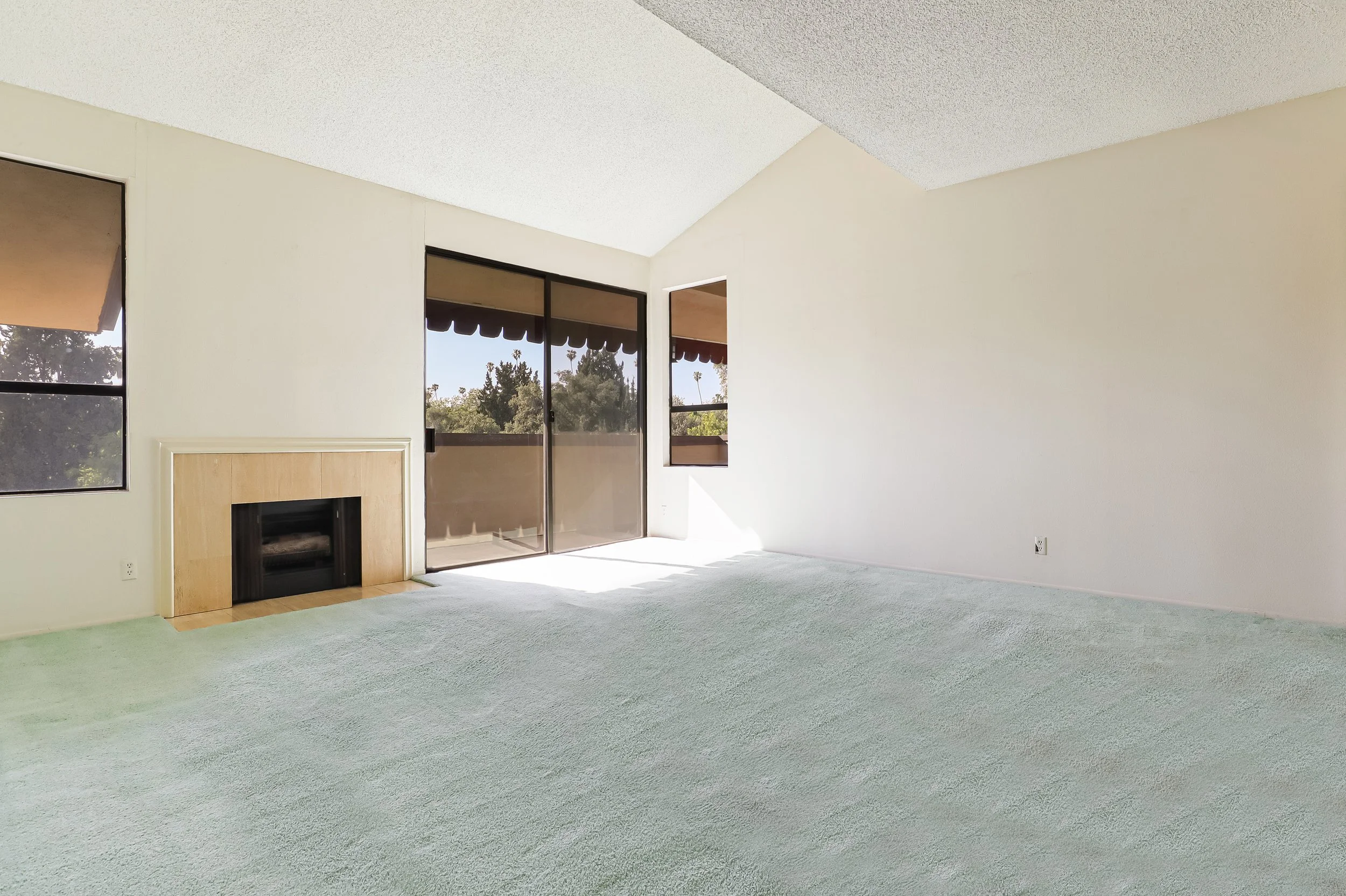
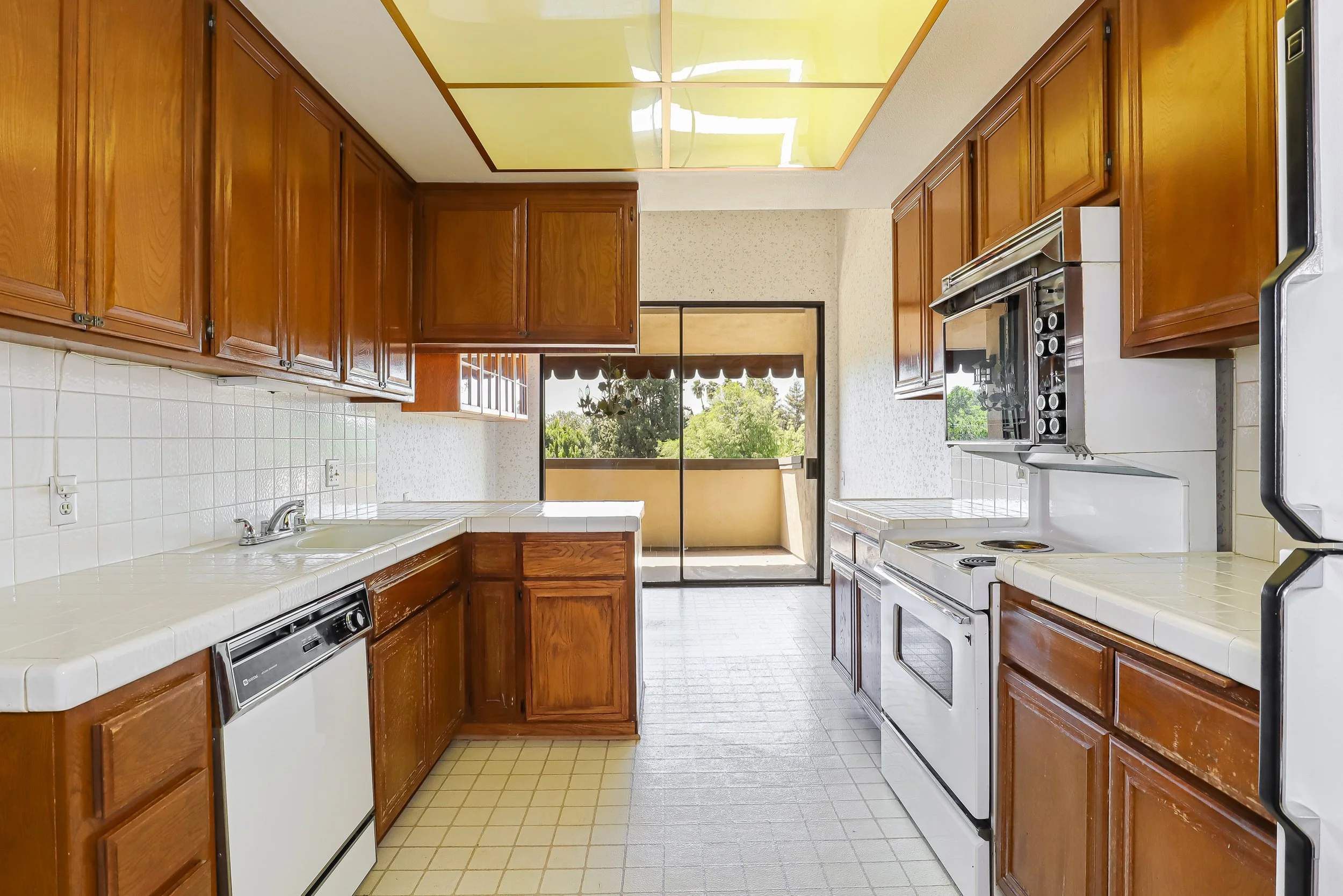
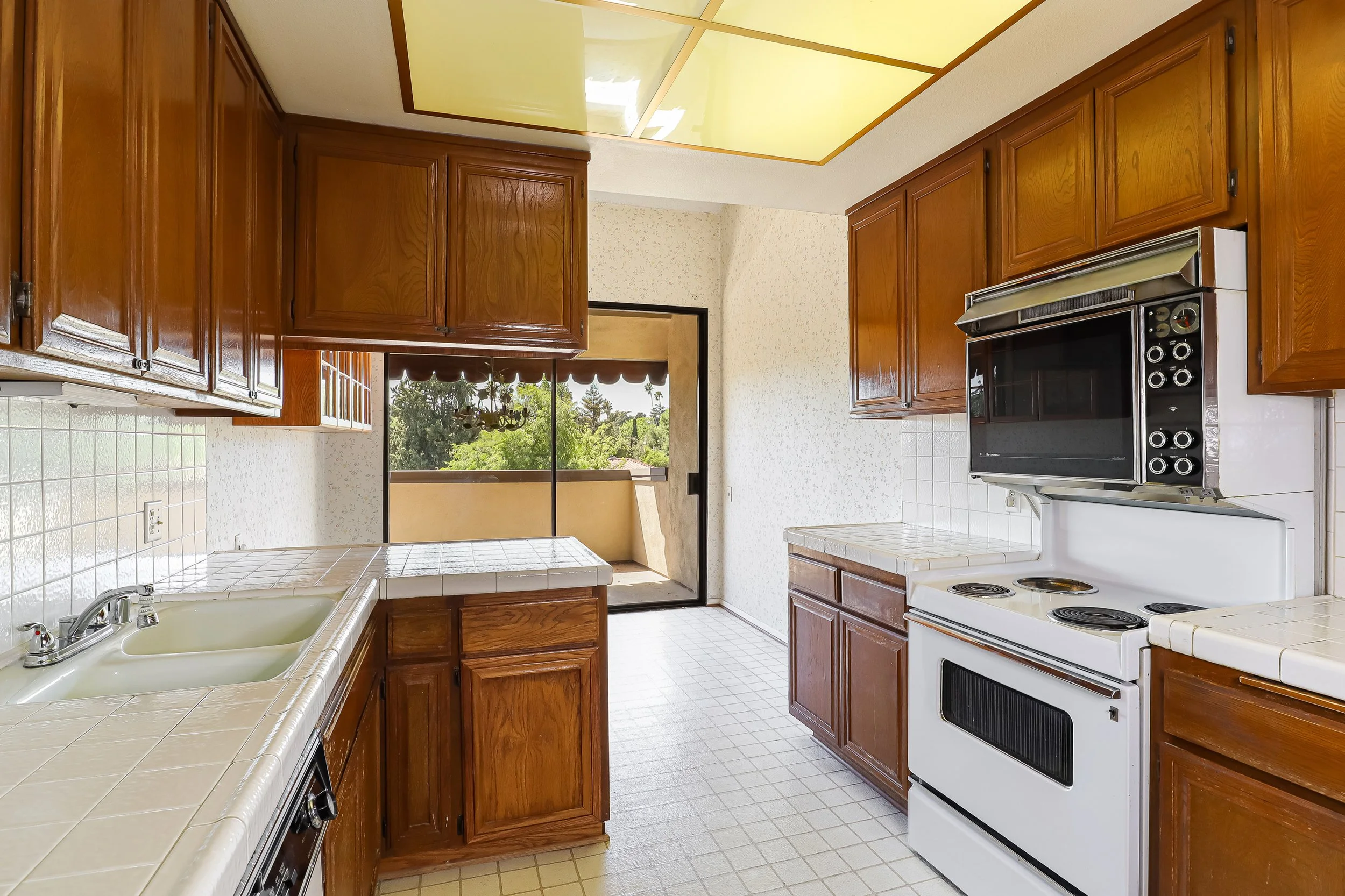
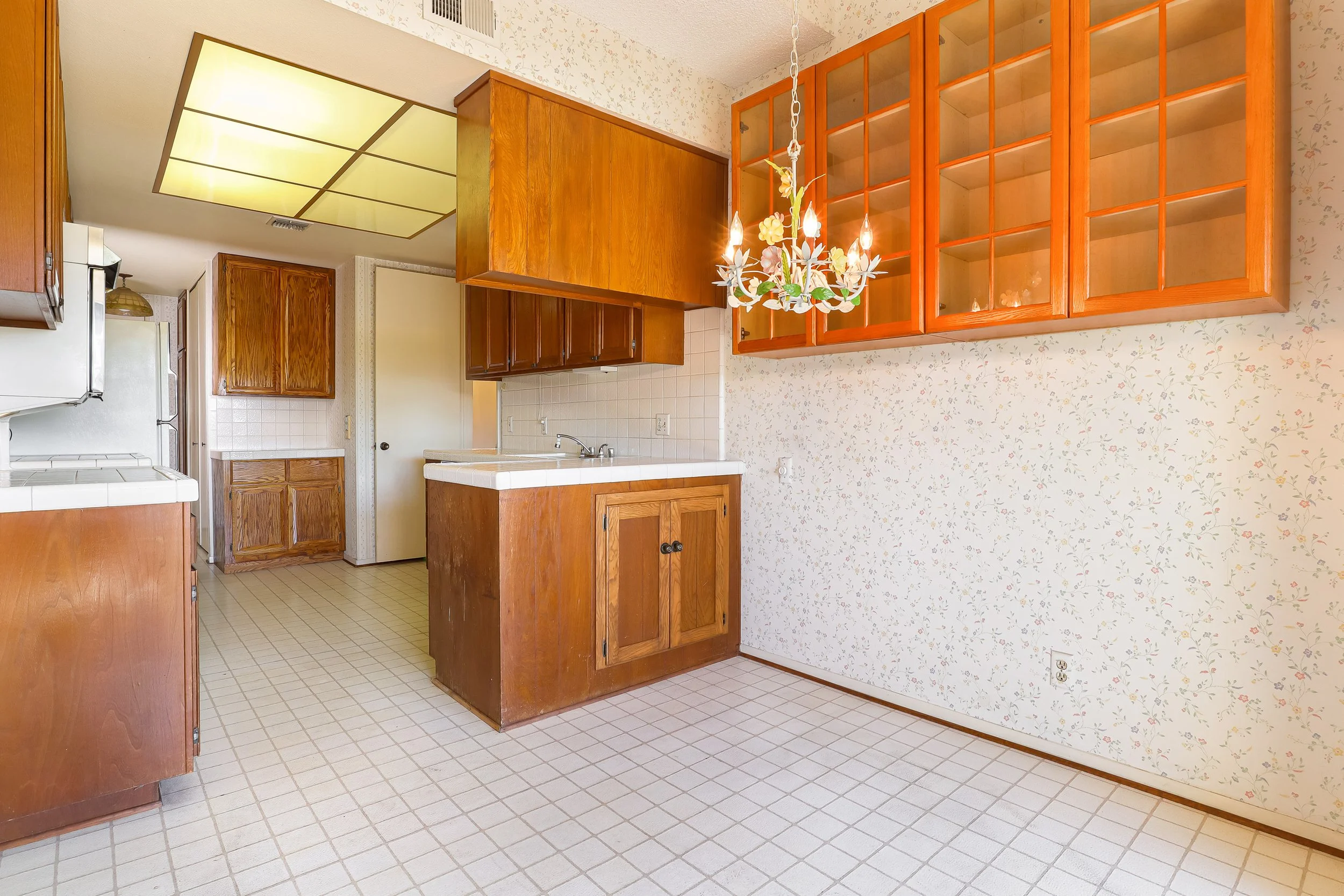
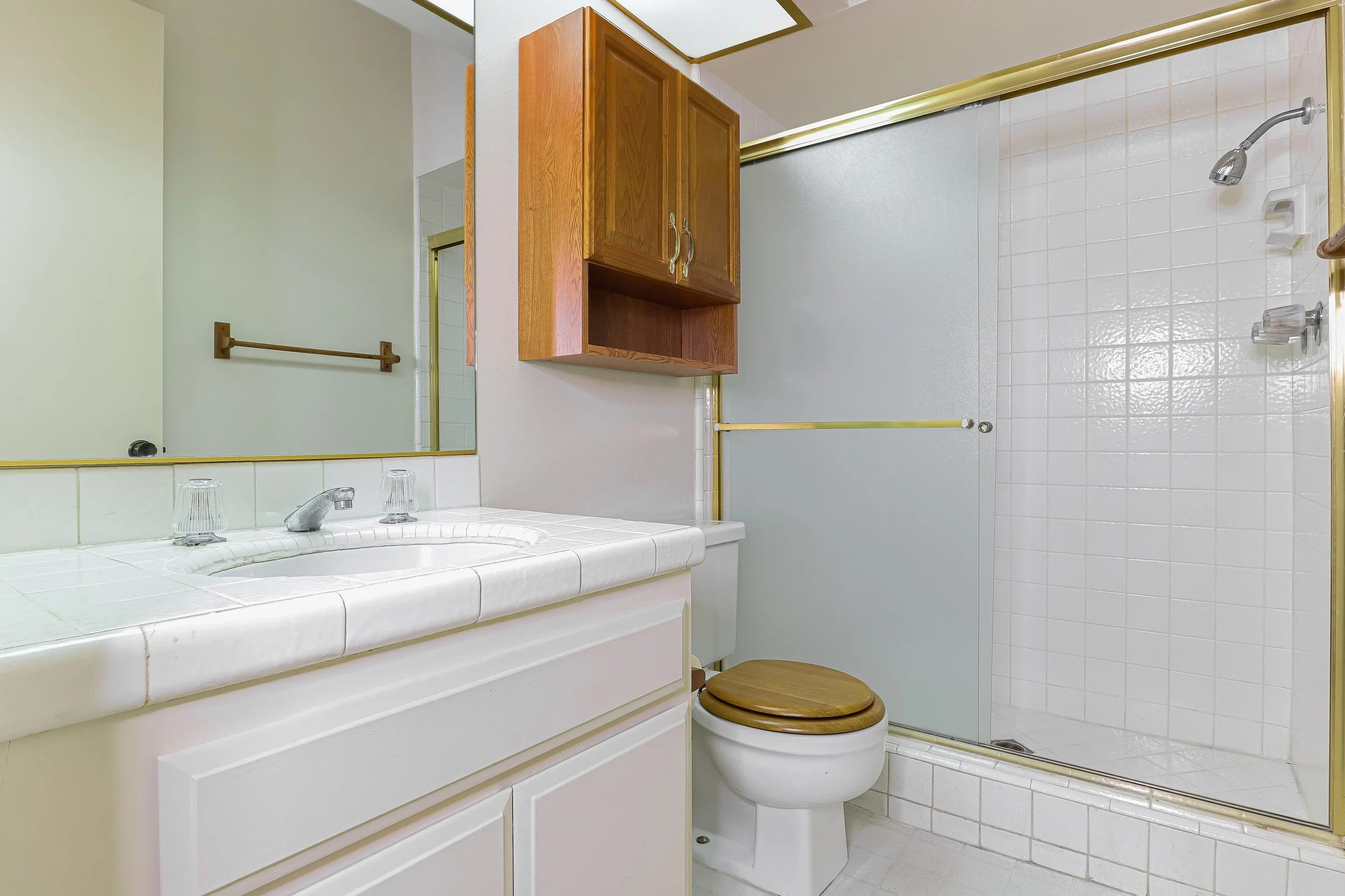
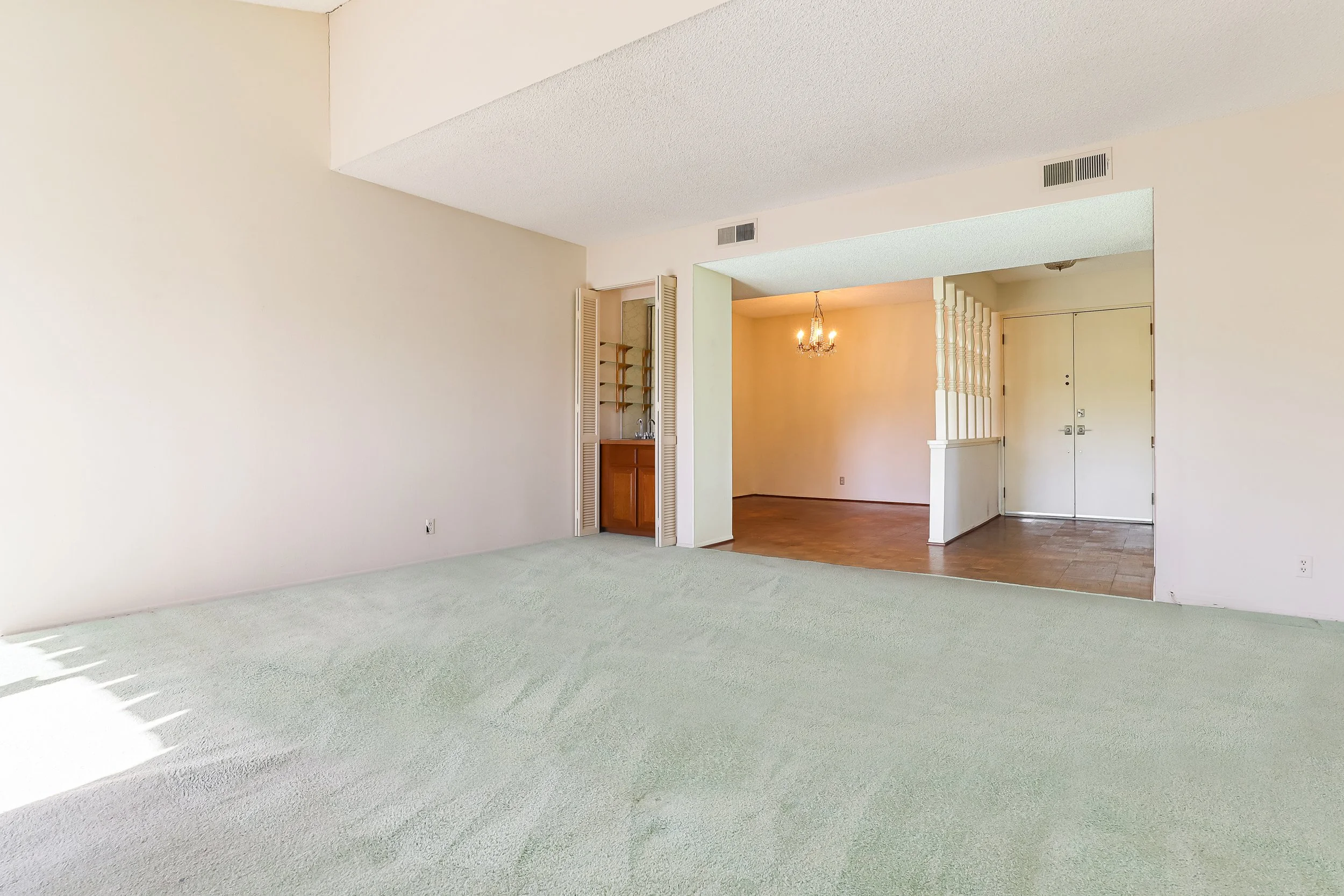
However, much of the interior remained original and showed its age.
The family wanted to maximize the estate's proceeds while avoiding unnecessary risk.
Challenges
Like many probate sellers, the family assumed they had two choices:
Option 1
Spend more than $100,000+ renovating the property before listing.
Option 2
Sell the property in its current condition and hope buyers could see its potential
Neither option felt ideal.
A renovation would require significant capital, months of construction, and substantial risk.
Selling without a clear vision could limit buyer interest and reduce perceived value.
My Analysis
Before making a recommendation, I analyzed:
Comparable sales
Renovated competing properties
Active listings
Comparable units within the same building
Current market conditions
The goal was not simply to determine value.
The goal was to answer a more important question:
Would a renovation increase the estate's net proceeds enough to justify the cost, risk, and delay?
The analysis revealed that the property's greatest strengths already existed.
Its location, layout, natural light, vaulted ceilings, and overall desirability were attributes that could not be renovated into the property.
They were already there.
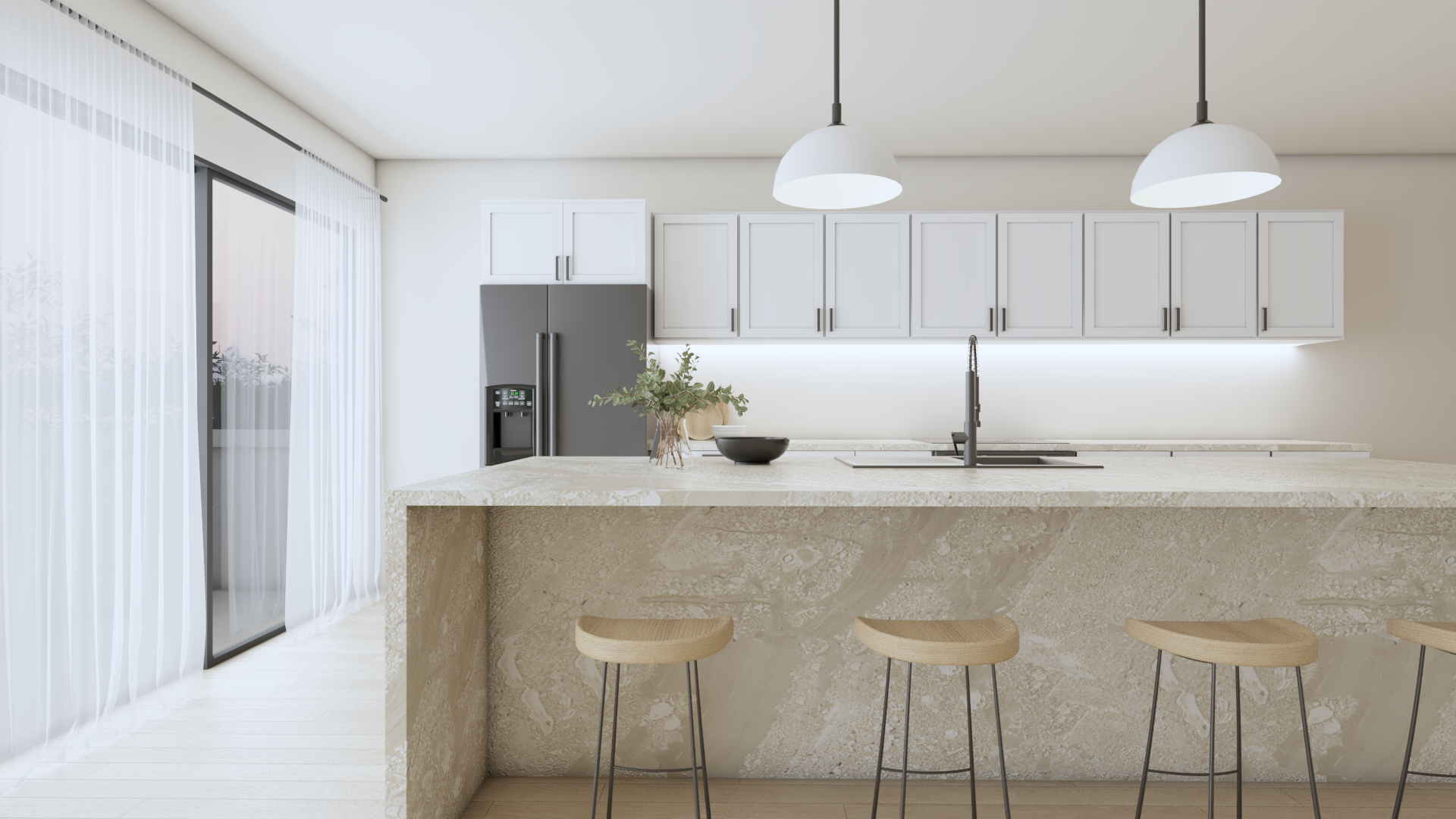
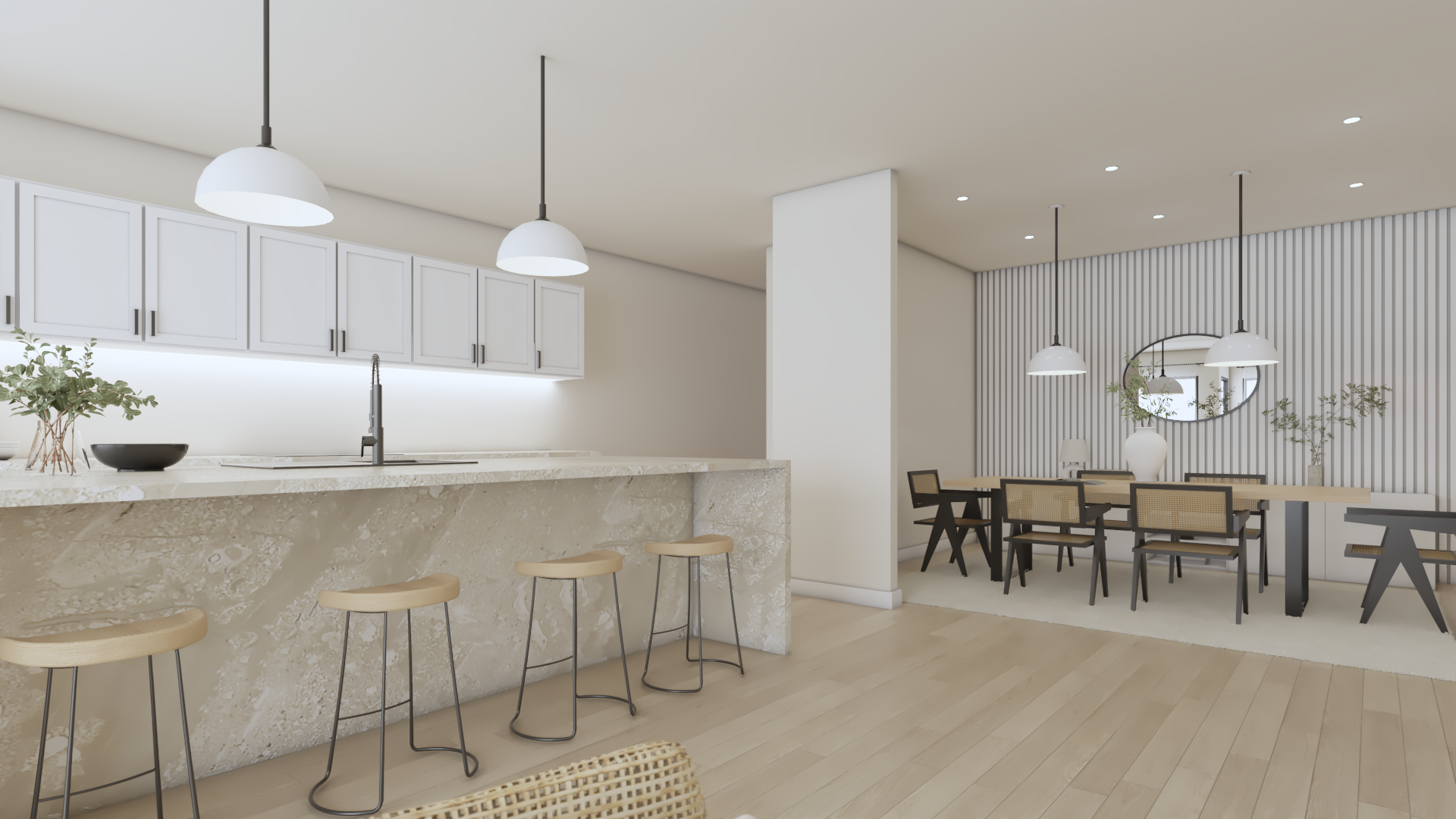
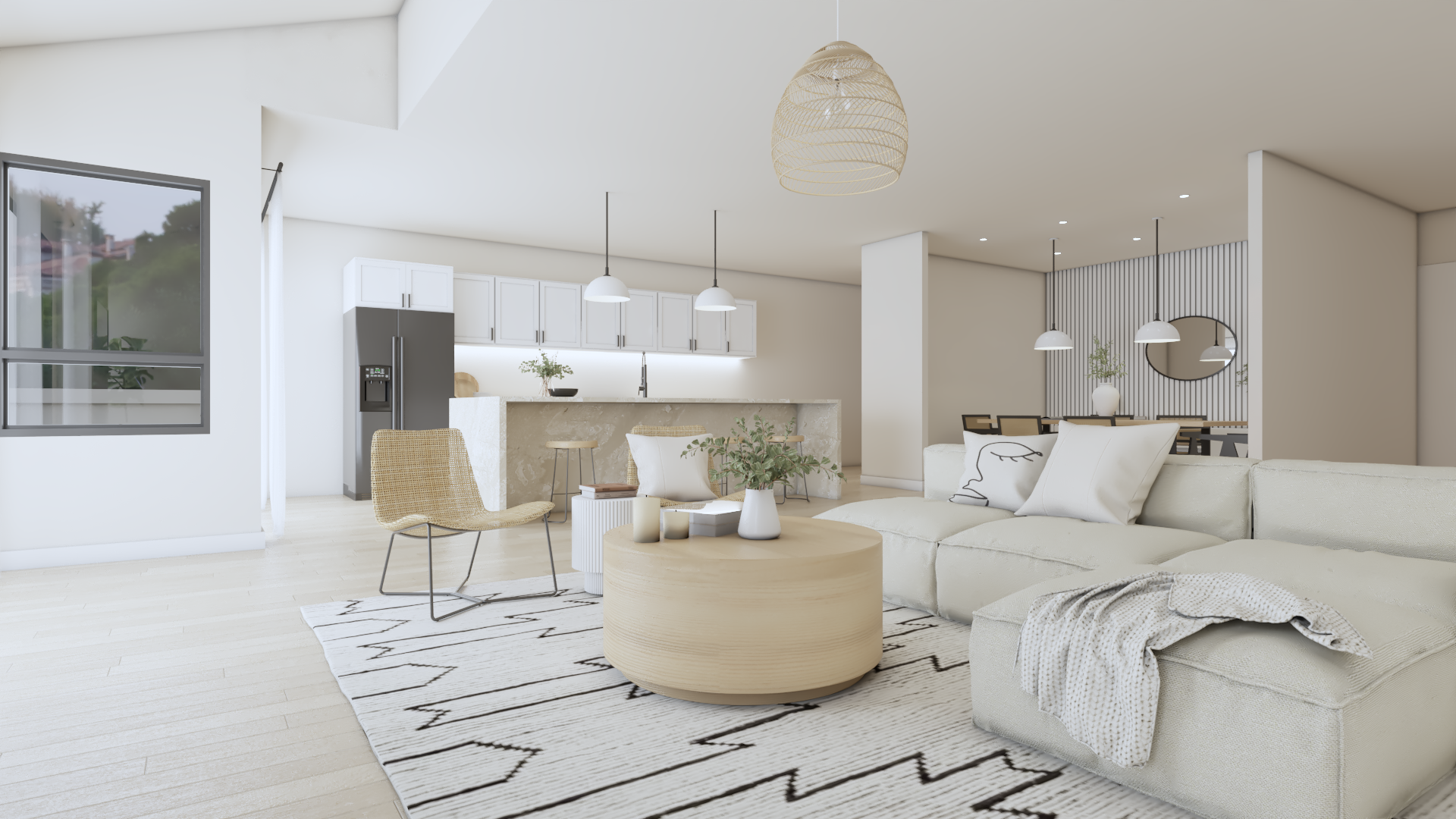
A Third Option: My Before & Future Vision
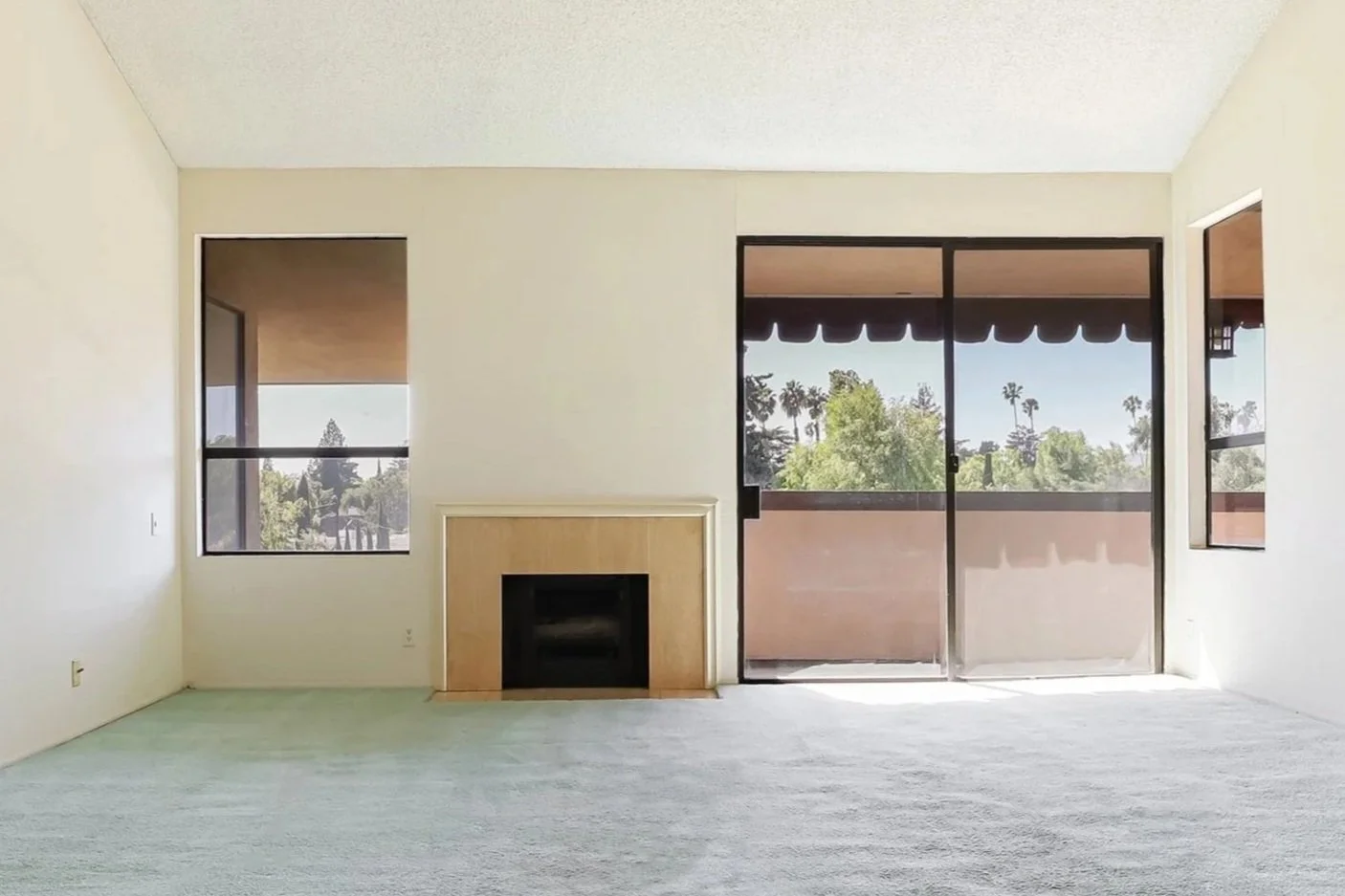
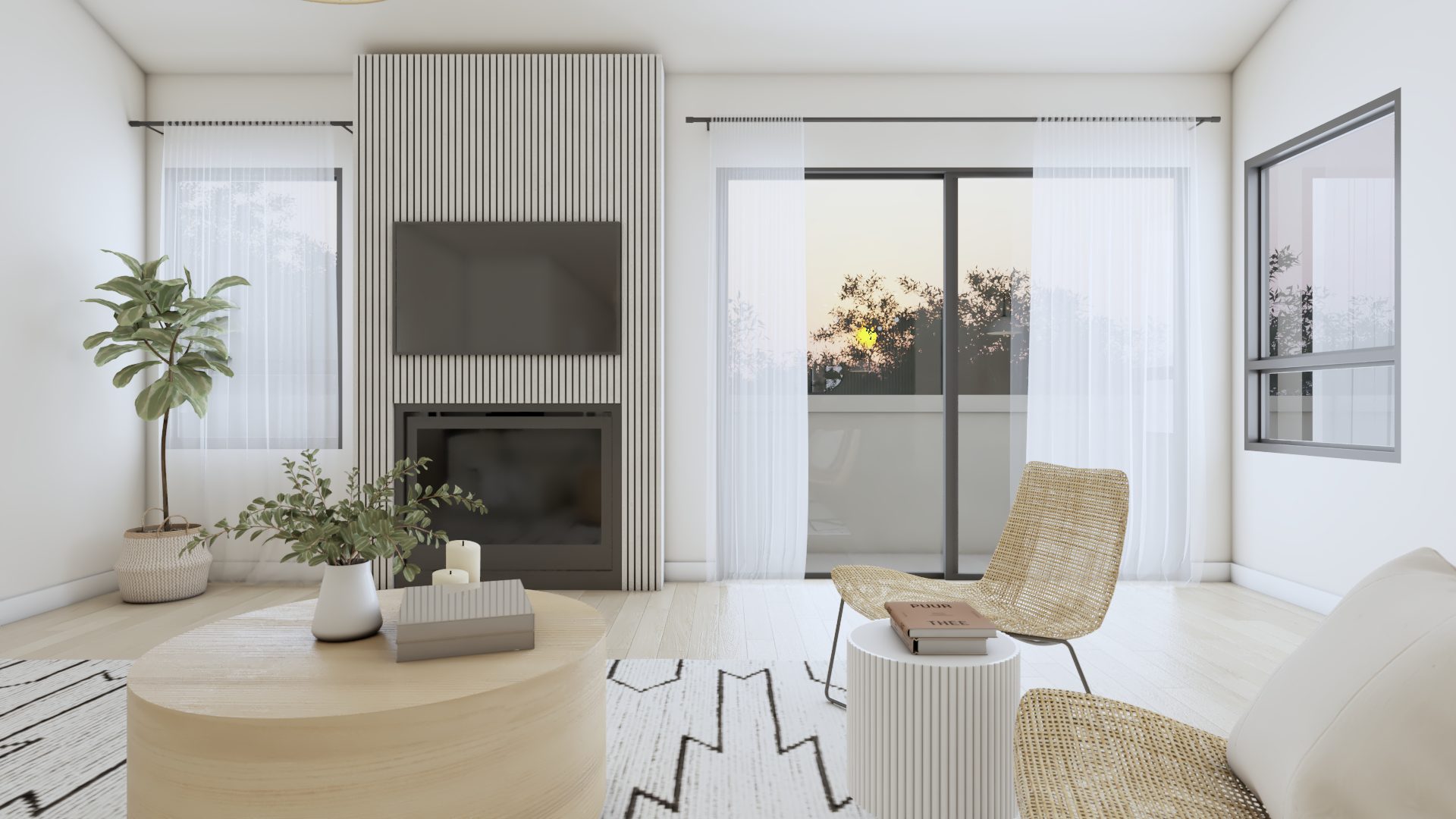
Most sellers assume they must choose between renovating a property or selling it at a discount.
I proposed a third option.
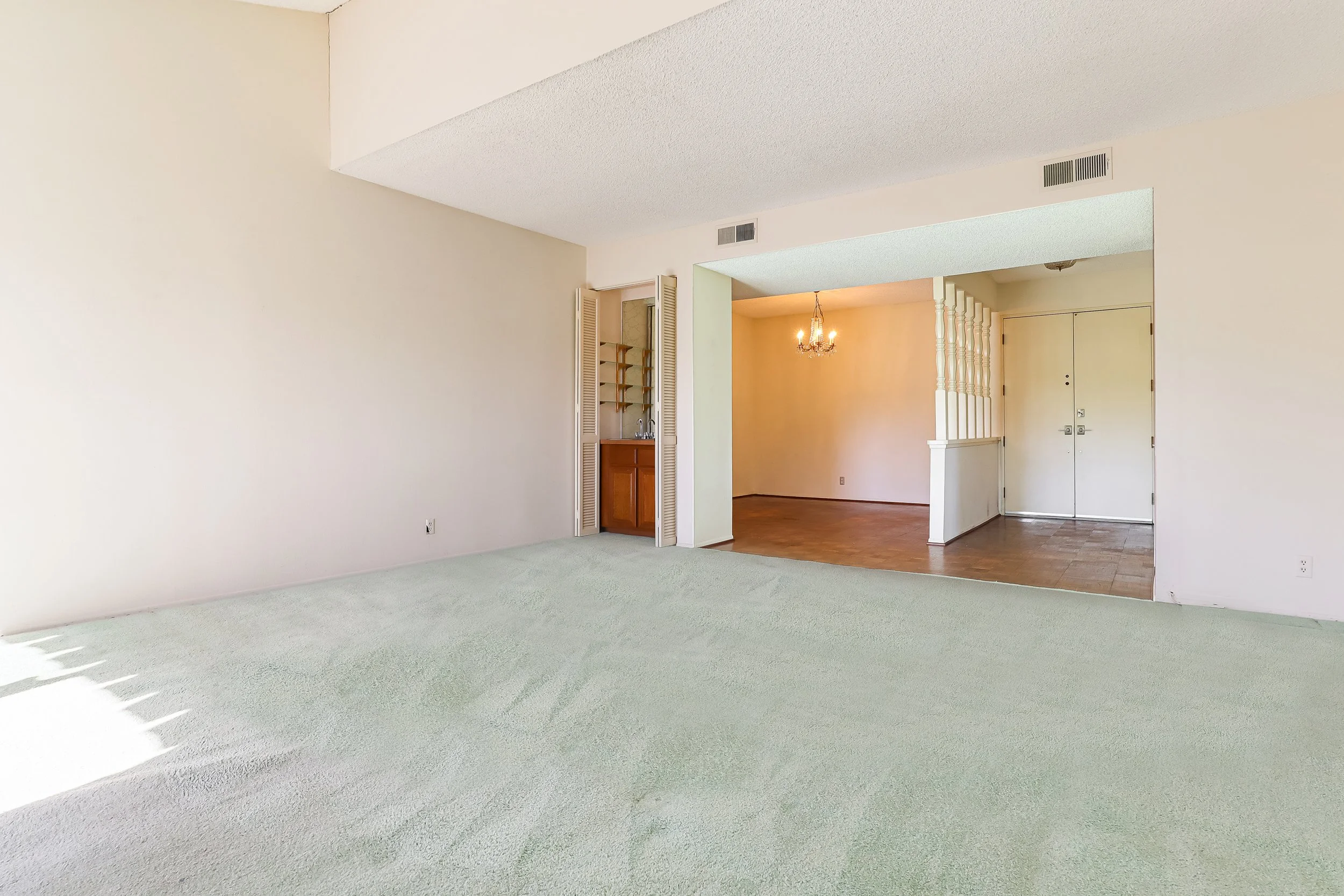
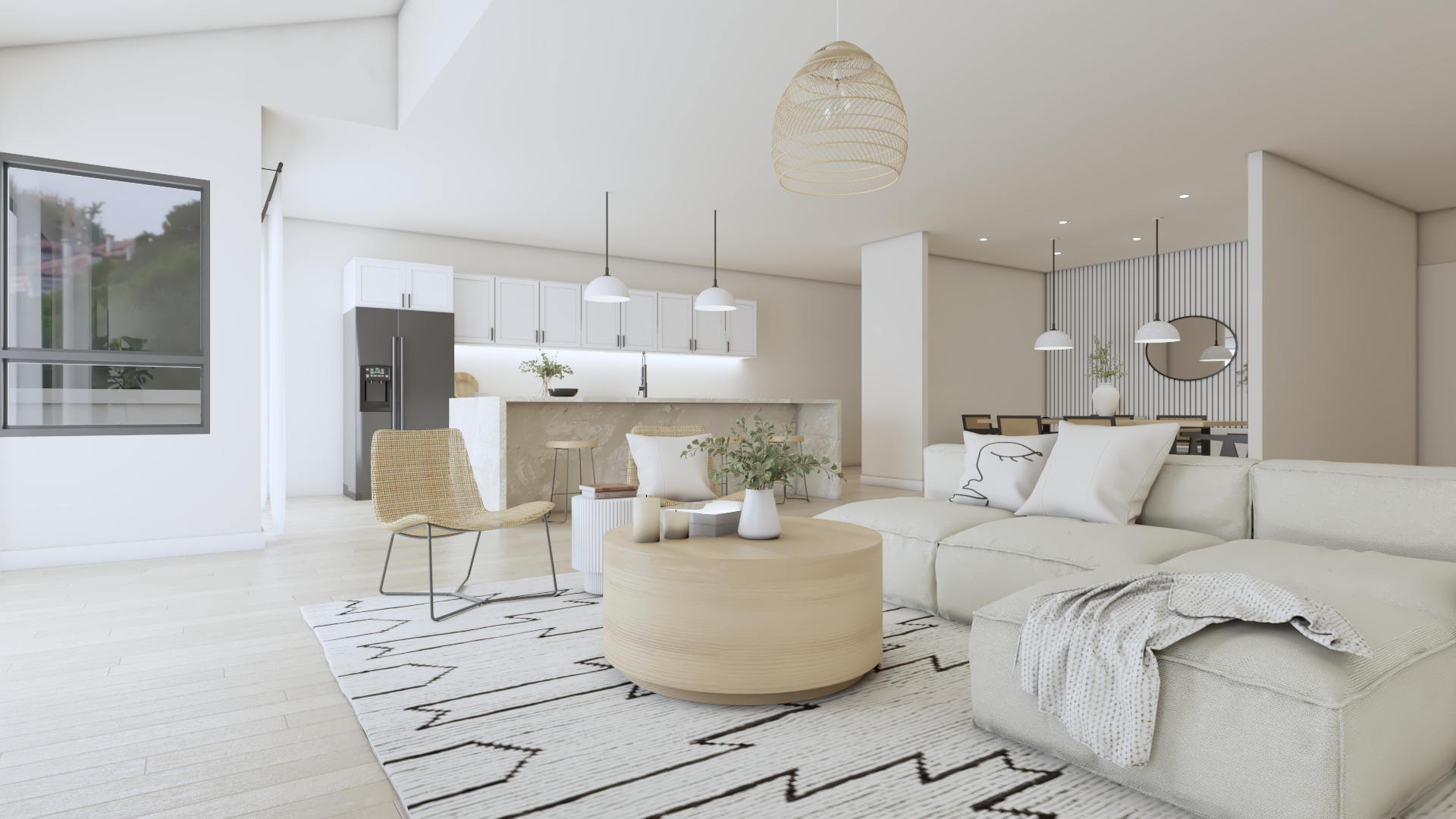
Rather than spending more than $100,000+ on renovations, I created digital renovation renderings that allowed buyers to visualize the property's future potential.
The renderings showcased what the home could look like with updated finishes, flooring, lighting, and design.
This allowed the estate to present a compelling vision without spending money on actual construction.

Why We Chose Not to Renovate
A renovation budget was prepared that included:
Flooring replacement
Interior painting
Kitchen modernization
Bathroom updates
Lighting improvements
Structural changes
Cosmetic improvements throughout
Estimated Cost
$100,000+
Estimated Timeline
2–3 Months
In addition to the financial investment, the project introduced several risks:
Construction delays
Budget overruns
Material shortages
Permit-related issues
Rising interest rates
Potential market shifts during construction
After evaluating projected costs against anticipated resale value, it became clear that the renovation would add significant complexity without necessarily increasing the estate's net proceeds.
My Recommendation
Based on the market data and financial analysis, I recommended:
Sell the property as-is
Create digital renovation renderings
Focus on strategic pricing
Market the property's future potential
This approach preserved capital while still helping buyers understand what the property could become.
The Outcome
$850,000 Sale Price
$65,000 Above Asking
Opened Escrow in 5 Days
Court Confirmation Approved
No Renovation Required
More Than $100,000+ in Renovation Costs Avoided
The property attracted strong buyer interest immediately after launch.
By combining market analysis, digital renovation renderings, strategic pricing, and targeted marketing, the estate achieved an exceptional result without the expense and risk associated with a major renovation project.
Key Takeaway
Many homeowners believe they must choose between renovating a property or selling it below its potential value.
In reality, there is often a middle ground.
For this probate estate, digital renovation renderings helped buyers visualize the property's future without requiring the estate to spend more than $100,000+ on improvements.
The result was a faster sale, reduced risk, preserved capital, and a final sale price of $850,000.
Facing a Similar Situation?
Many heirs, trustees, and executors aren't sure whether they should renovate, sell as-is, rent the property, or keep it as an investment.
Before spending thousands of dollars on improvements, it helps to understand the likely financial outcome of each option.
I help families evaluate their choices and develop a strategy based on data—not assumptions.
Schedule a Confidential Consultation
Let's discuss your property, your goals, and the strategy that makes the most financial sense for your situation.